
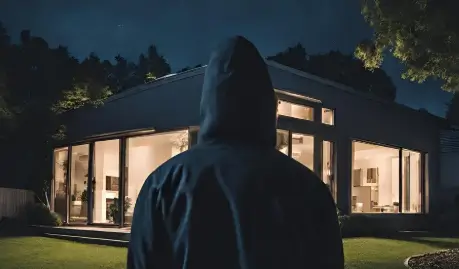
In the world of property management, new challenges often emerge unexpectedly. One such issue gaining attention is “phrogging.” To ensure the safety and privacy of your tenants, it’s crucial to understand what phroggingis and how to prevent it from occurring in your rental units.
What is Phrogging?
So, what is phrogging? The phrogging definition refers to an unsettling practice where an individual secretly lives in an occupied property without the occupants’ knowledge. Unlike squatting, which typically involves staying in vacant properties for extended periods, phrogging involves living where residents are already present, often in hidden spaces like basements, attics, or unused rooms.
Phroggers can be quite stealthy, sometimes slipping in and out while tenants are away or even while they’re asleep. Their presence can pose serious security and safety risks, making it essential for landlords to be vigilant.
Phrogging Versus Squatting
Understanding the phrogging meaningis key to distinguishing it from squatting. While both involve unauthorized living arrangements, they differ mainly in context and intent. Squatters usually target vacant homes and exploit legal loopholes to extend their stay, focusing on long-term arrangements. Phroggers, however, seek the thrill or convenience of living unnoticed in occupied spaces.
Both practices highlight the need for landlords to maintain security and awareness, but the insidious and short-term nature of phrogging poses unique challenges.
Recognizing Signs of Phrogging
Phrogging can be hard to detect, especially since landlords might not routinely visit each tenant’s unit. However, helping your tenants be aware of the signs of a phrogger can be a proactive step. Encourage them to watch out for:
- Unfamiliar voices or footsteps when home alone
- Missing or moved personal items
- The presence of foreign items like clothing or food
- Pets acting unusually agitated
- Unexplained increases in utility bills
Informing tenants about these indicators can help in early detection, potentially thwarting a phrogger’s plans before they escalate.
How to Prevent Phrogging
Preventing phrogging involves a combination of communication, vigilance, and security enhancements. Here are effective strategies for landlords:
- Install a security system: Consider implementing systems with motion sensors, security cameras, and alarms. Bright lighting around the property can also deter intruders.
- Regular inspections: Schedule routine inspections of your units, paying special attention to places like basements, attics, and crawl spaces where phroggers might hide.
- Tenant communication: Keep an open line of communication with tenants regarding any strange occurrences. Their insights are invaluable as they’re the most likely to notice changes or disruptions.
By adopting these practices, landlords can significantly reduce the risk of phroggingand enhance overall property security.
See also: Choosing the Right Flooring For Your Home
What To Do if You Discover Phrogging
Despite preventative measures, phroggingmay still occur. Here’s how to handle the situation:
- Document everything: If signs of phroggingare found, document them thoroughly with photos, videos, and detailed notes about when they were discovered.
- Consult legal counsel: Contact a lawyer familiar with local laws regarding unauthorized occupancy to understand your options and next legal steps.
- Contact authorities: Follow your lawyer’s advice on involving the police, as their involvement might be necessary. They can handle the situation appropriately and ensure it is resolved legally.
Conclusion
While phrogging is a rare phenomenon, its potential impact on tenant security and property safety makes it a serious concern. Landlords can effectively protect their tenants and investments by understanding the phrogging definition, recognizing its signs, and taking preventive measures. With diligence and proactive management, you can safeguard your properties against this unsettling threat.


