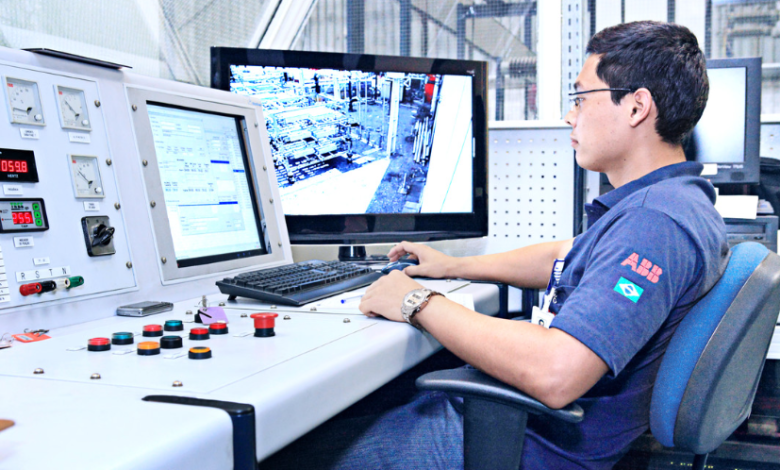
In hazardous industrial environments, clear information and reliable control are everything. Operators need to see exactly what’s happening in real time and interact with complex systems confidently—yet many of these areas are classified as potentially explosive, where standard equipment simply can’t be used. That’s where Ex HMIs (ATEX-certified, explosion-proof Human-Machine Interfaces) make all the difference.
Far more than rugged touchscreens, Ex HMIs are purpose-built for use in zones where flammable gases, vapours, or dusts may be present. They provide a safe, intuitive interface between people and process, allowing teams to monitor, control, and optimise operations right at the point of work—without compromising safety or compliance.
What Is an Ex HMI—and Why Is It So Important?
A Human-Machine Interface is the visual and interactive layer between operators and the systems they control: PLCs, SCADA, DCS, and other automation platforms. In hazardous areas, these interfaces must be designed so they cannot become an ignition source.
An Ex HMI is engineered and certified specifically for such environments:
- Built to ATEX/IECEx standards for clearly defined zones (e.g. Zone 1/21 or Zone 2/22)
- Designed so internal components, switching, and surface temperatures cannot ignite explosive atmospheres
- Housed in robust enclosures that protect against dust, moisture, impact, and harsh industrial conditions
This allows operators to access process data, alarms, and controls directly in the field, instead of relying solely on remote control rooms or temporary workarounds. The result is safer, faster, and more informed decision-making where it matters most.
Precision, Visibility, and Control in Hazardous Zones
In complex plants—such as chemical facilities, oil & gas installations, pharmaceutical production, and food processing—clarity and precision are critical. Ex HMIs bring those qualities right into hazardous zones.
1. Real-time process visibility Ex HMIs provide:
- Clear visualisation of live process values, trends, and alarms
- Intuitive graphics and dashboards tailored to the application
- Immediate insight into system health, performance, and status
Instead of walking back and forth to a safe area to check values or respond to alarms, operators can see what’s happening at a glance, right next to the equipment they’re responsible for.
2. Safe, local control With properly configured Ex HMIs, operators can:
- Start, stop, and adjust equipment from within the hazardous area
- Acknowledge and investigate alarms where they occur
- Execute maintenance or changeover routines via guided on-screen workflows
This combination of local control and certified safety helps reduce reaction times, cut unnecessary travel, and support more efficient interventions.
3. Reduced errors and clearer communication Graphical interfaces, standardised layouts, and clear messages on an Ex HMI help:
- Minimise misunderstandings between shifts and teams
- Provide step-by-step instructions for critical tasks
- Reduce the risk of manual errors in high-pressure situations
In other words, Ex HMIs bring the same clarity and precision you’d expect in a control room into the heart of hazardous operations.
See also: Your Complete Guide to Finding the Best Removalists in Ballarat
Key Considerations When Choosing Ex HMIs
Not all hazardous-area interfaces are created equal. When selecting Ex HMIs for your facility, a few factors are especially important:
1. Certification and zone suitability Ensure the HMI is:
- Certified for the exact ATEX/IECEx zone where it will be installed
- Rated for the relevant gas/dust groups and temperature classes
- Supplied with proper documentation for safety, engineering, and audit teams
Choosing correctly certified equipment is essential for both compliance and peace of mind.
2. Robustness and environmental protection
Industrial environments can be tough on hardware. Look for Ex HMIs with:
- High IP ratings against dust and water
- Resistance to vibration, impact, and temperature extremes
- Options for stainless steel or other corrosion-resistant materials where needed
This ensures your HMI will continue to perform reliably over the long term.
3. Usability and integration
An Ex HMI should fit smoothly into your existing control architecture:
- Support for common industrial protocols (e.g. Modbus, Profibus, Profinet, Ethernet/IP)
- Compatibility with your PLC/SCADA/DCS platforms
- User-friendly configuration tools and flexible screen design
Good ergonomics also matter: glove-friendly touch, clear displays, and layouts that work in low-light or bright outdoor conditions all help operators work more effectively.
How Ex HMIs Support Better Operations and Resource Use
When deployed thoughtfully, Ex HMIs become powerful enablers of safer, more efficient operations:
- Faster fault finding and recovery: Operators can diagnose issues where they occur, reducing downtime and maintenance delays.
- Improved safety: Certified equipment reduces the risk of ignition in hazardous zones, supporting overall site safety strategies.
- Better resource utilisation: Real-time information at the point of work leads to smarter decisions, fewer unnecessary trips, and more efficient use of personnel and equipment.
- Stronger compliance and traceability: Digital interfaces make it easier to implement standardised procedures, capture actions, and support audit trails.
In essence, Ex HMIs bring precision, clarity, and control to environments where they’re needed most—without compromising the safety standards that keep people and plants protected.